
Microlophus occipitalis (PETERS, 1871)
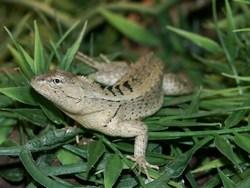
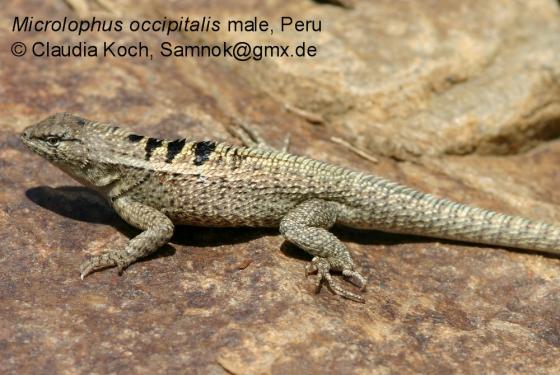
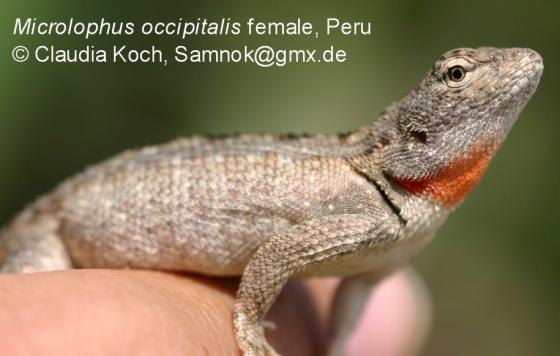
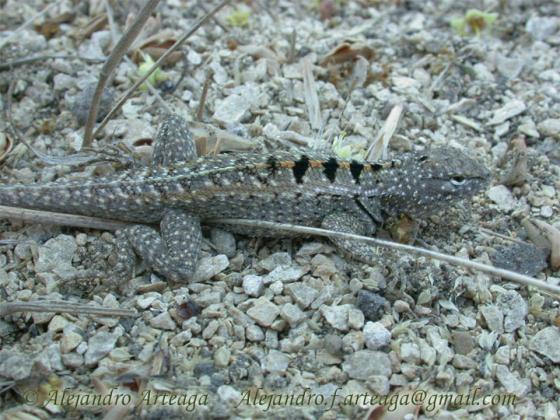
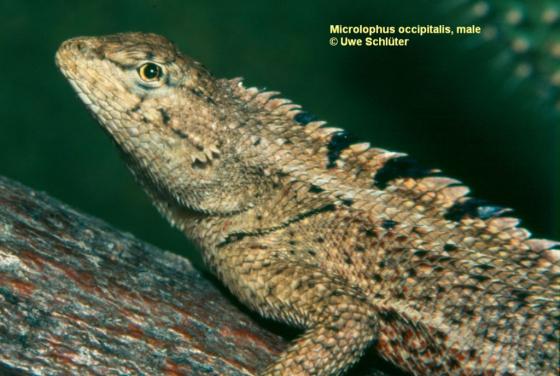
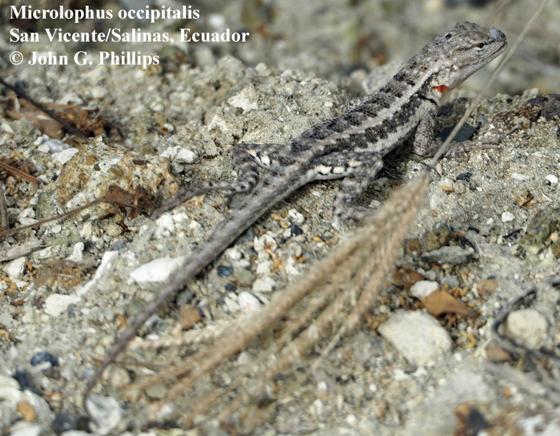


Can you confirm these amateur observations of Microlophus occipitalis?
Microlophus occipitalis
Find more photos by Google images search: 
| Higher Taxa | Tropiduridae, Iguania, Sauria, Squamata (lizards) |
| Subspecies | |
| Common Names | E: Knobbed Pacific Iguana |
| Synonym | Laemopristus occipitalis PETERS 1871: 645 Tropidurus (Laemopristis) occipitalis PETERS 1871 (fide FROST 1992) Aneuoporus occipitalis — BOCOURT 1874 Craniopeltis occipitalis — COPE 1876 Tropidurus bocourtii BOULENGER 1885: 173 Tropidurus occipitalis — BOULENGER 1885: 173 Tropidurus (Craniopeltis) occipitalis — STEINDACHNER 1902: 99 Tropidurus continentalis MÜLLER 1924: 82 Tropidurus occipitalis — DIXON & WRIGHT 1975: 30 Microlophus occipitalis — BAUER et al. 1995: 67 |
| Distribution | SW Ecuador, N/C Peru Type locality: “angeblich aus Peru”. |
| Reproduction | Females collected in late July, early August and mid-November contained shelled , oviducal eggs. The number of yolked ovarian follicles and oviducal eggs ranges from 2 to 4 (3.5), with unyolked ovarian follicles ranging from 19 to 29 (24.5). Females apparently mature between 45 and 47 mm, and males between 50 and 55 mm snout-vent length [DIXON & WRIGHT 1975]. |
| Types | Holotype: ZMB 6646; erroneously given as BMNH 6646, male (fide DIXON & WRIGHT 1975). Holotype: ZMB 26397 [continentalis] |
| Diagnosis | Diagnosis: Tropidurus occipitalis is a small member of the occipitalis group and differs from the other members, koepckeorum and sto/zmanni, by having a distinct dark occipital spot and by lacking both spots and lines in the gular region; differing also from slolzmanni in having distinct dorsal spotting and by having fewer than 70 scales around midbody, rather than 80 or more [DIXON & WRIGHT 1975]. |
| Comment | Habitat. The majority of specimens were found on or near small boulders, trees, and shrubs. Several were found under debris associated with abandoned human dwellings. Most were found in habitats with some kind of vegetation, such as mesquite, acacia, Capparis scabrida, dense beach shrubs or semiarid woodlands of the foothill slopes. This species is primarily scansorial; most specimens were taken one to three dm above the ground on trees. However, some were taken on the ground in the vicinity of shrubs where they appeared to be foraging for food [DIXON & WRIGHT 1975]. |
| Etymology | Named after Latin occipitalis, pertaining to the back of the head. ["...das Occipitale sehr grofs..."] (from Esteban Lavilla, pers. comm., May 2024) |
| References |
|
| External links |